
Collection of Creative TV Cases (Edition: 2026)
About
egta is pleased to present the fifth edition of its Creative Multiplatform TV Case publication, continuing our commitment to showcasing the expertise of TV sales houses’ creative teams and honouring the creative minds who help brands craft quality campaigns every day. And when we say “TV”, of course we mean “total video”.
While the work of media and creative agencies is widely recognised, the fact that creative departments within sales houses work directly with clients – not just to create an ad, but to build a full campaign – is perhaps less known in certain parts of the industry. This collection of case studies aims to highlight that quality work across markets, helping brands use television in more relevant, effective, and imaginative ways.
In this edition, we focus on three categories that capture key strengths of Total Video advertising today: TV as a Force for Good, Branded Content, and Data-Infused Campaigns. Together, they reflect how sales houses are combining creativity, context and capability to deliver work that connects with audiences and answers real brand needs.
TV as a Force for Good
Full Synopsis
Television remains one of the few media environments that combines scale, trust and public relevance. In this category, broadcasters and sales houses use programme context, channel identity and accessible storytelling to make sensitive topics clearer, more credible and easier to act on. The cases cover health, inclusion, safety, sustainability and social awareness, and show TV at work on both fronts: public impact and commercial performance.
Branded Content
Full Synopsis
Branded content is strongest when the brand sits inside the idea from the start. That thread runs through these cases, where broadcasters and sales houses shape format-native stories, partnerships and experiences that audiences choose to watch and share. Across entertainment, travel, retail, sport and food, the work turns brand presence into cultural participation and gives advertisers a clearer route from attention to business effect.
Data-Infused Campaigns
Full Synopsis
In these cases, data sits inside the creative and media plan, not beside it. Teams use addressable delivery, segmentation, contextual variants, AI-supported formats and measurement design to sharpen message fit, placement choices and performance proof. The category shows a practical balance: more precise, more accountable TV advertising, while keeping brand context, creative consistency and viewer trust intact.
This publication celebrates the breadth and quality of creative work being produced across egta members, and the role TV continues to play in the wider advertising ecosystem. For brands, agencies and media partners, it offers both inspiration and practical direction: a view of how broadcasters and sales houses are building stronger ideas, stronger partnerships and stronger results across Total Video.

FTP built the campaign around a single TV-native move: take the short on-air ident that usually marks the start and end of advertising on France 2 (a well known visual “bump”, where the channel’s celebrities seem to be touching the screen to ‘enter’ into the advertising break) and turn it into a moment to pass an important message.

VIA Rail partnered with CBC to run a long-form branded travel series hosted by Andrew Phung, supported by video, audio, and social. The stories made train travel feel easier and more enjoyable, and guided viewers to learn more. The campaign lifted positive perceptions and improved consideration.

L’Oréal Paris and RTL integrated the “Stand Up” training into GZSZ to show how to intervene in street harassment. The campaign mixed product placement with Chatmove and Cut-In ad specials, then extended via streaming, social, and PR. Results showed high credibility and strong intent to participate.

Ad Alliance transformed the Let’s Dance studio into a How to Train Your Dragon scene during the ad break. AI reshaped the stage world while keeping the set recognisable, and Toothless was added with classic production. The result made the film feel part of the show’s moment.

Currys and Channel 4 created an accessible-first TV ad with BSL and audio description inside the story. The campaign later expanded to streaming, social, and cinema while keeping the same format. It delivered Currys’ highest sales ROI, with a reported 23:1 return.

ITV used Emmerdale to introduce heat pumps through a script mention, then explained them in a contextual ad break spot. The campaign also repeated the message on Emmerdale social channels, using familiar cast and show cues. Viewers showed higher credibility and consideration, and “heat pumps” searches doubled on broadcast days.

BMW and Ads & Data launched the iX3 with a rare two-minute TV countdown film, turning its 805 km range into a memorable story before prime-time viewing, then reinforced the idea with short follow-up formats across the campaign.

Bauhaus used Finland’s election night to launch “Hintavaalit”, a branded comedy programme focused on price messaging. Sanoma promoted it across TV, streaming, print, and radio to maximise reach. The format turned a retail price theme into entertainment during a high-attention national viewing moment.

When DPG Media pitched a fully Disney-themed episode of Dancing With The Stars (unprompted by any client brief) the result was a 90-minute live show that drove a 90% spike in Disneyland Paris website traffic. The case raises pointed questions about what broadcast brand integration can look like when creative ambition leads the process.

How do you shift consumer perception of an e-commerce giant into a credible furniture destination? DPG Media’s multi-format partnership with renovation show Huis Gemaakt doubled bol’s top-of-mind awareness in home décor, with rigorous controlled research isolating exactly which formats drove which outcomes.

Can a commercial break become appointment television? Ster, the Dutch public broadcaster’s sales house, bundled Christmas campaigns into a dedicated primetime premiere on NPO 1 – and viewers responded by retaining at rates well above average and actively seeking out the blocks in time-shifted viewing.

Channel 4 inverted the standard advertising model by offering free national TV airtime to five B Corp certified small businesses, grouping their ads into a single themed break during primetime – and turning a commercial slot into a moment of consumer education. The results, including 70% revenue growth for one winner, make a case for broadcaster-led social purpose initiatives.
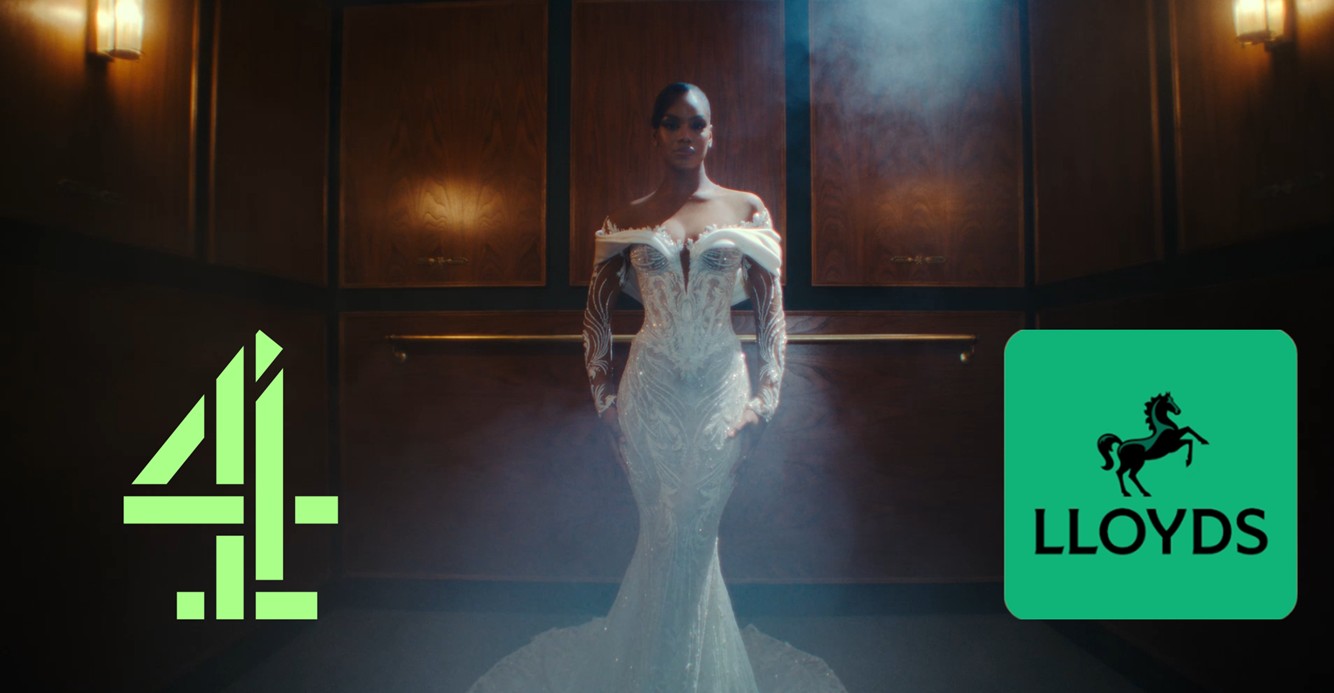
Only 0.24% of UK venture capital reaches Black founders. Channel 4 and Lloyds Bank responded not with awareness campaigns but with actual TV airtime – awarding four Black-owned businesses primetime slots and structured mentorship. The results, including a 131% jump in branded search for one winner, point to television’s underexplored role in economic inclusion.
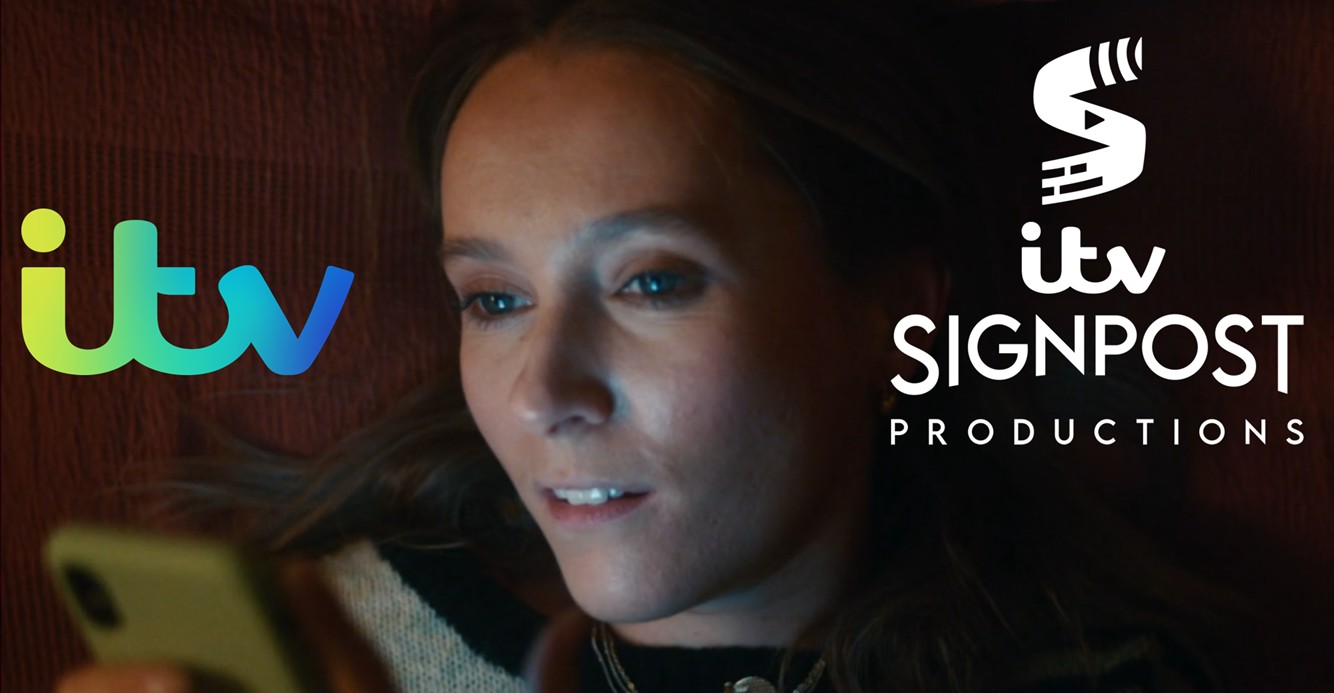
For 3 minutes and 20 seconds during a primetime ITV drama, 10 major brands went completely silent – no voiceovers, no music, no sound. Built around a show starring a deaf actress, the silent ad break reached 4.7 million people and prompted measurement bodies Kantar and BARB to develop entirely new capabilities for assessing soundless advertising.
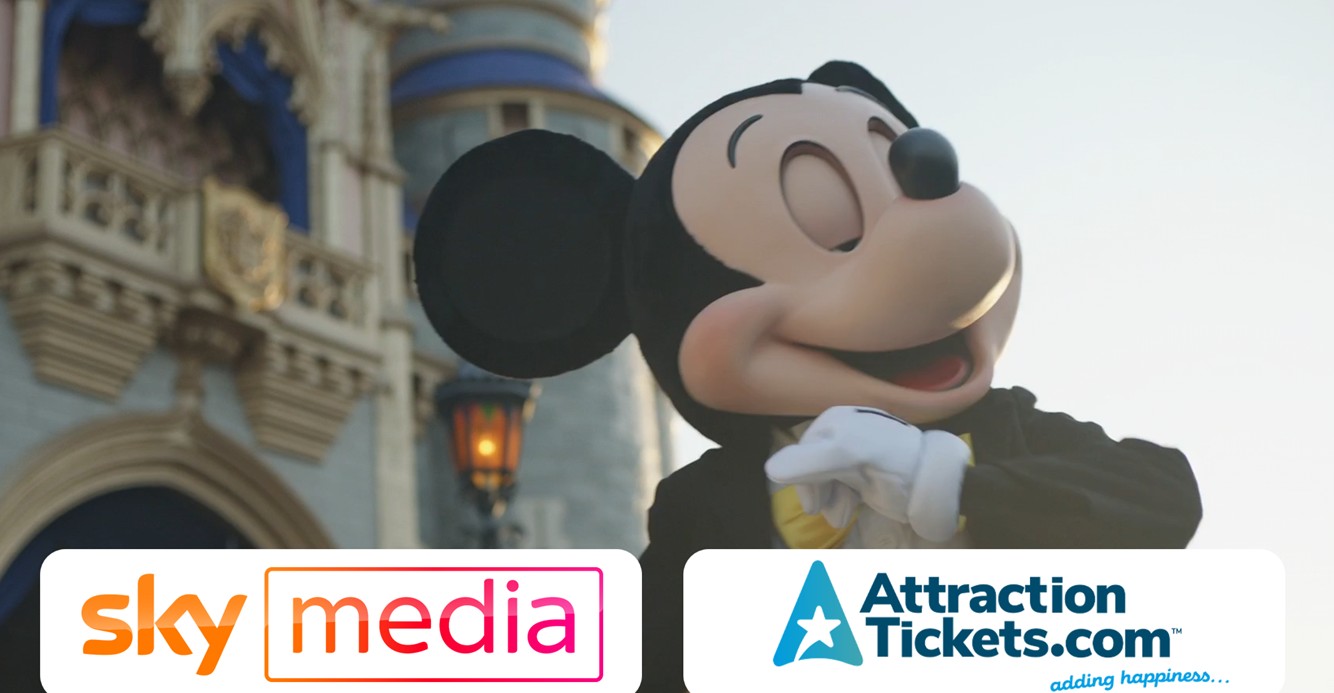
An addressable TV campaign for a Florida theme-park ticket retailer split UK families into two groups – parents of young children and parents of teenagers – and served each a different creative. The campaign generated £2.3m in sales at a 6.6x ROI, offering a clean case study in life-stage targeting on television.