
General information
- Country: United Kingdom
- Company: ITV
- Client: Multiple brands – The National Lottery, Virgin Atlantic, Boots Hearingcare, Cupra, Hellman’s, IKEA, Walkers, Aldi, Paramount and the Scottish Government (STV)
- Sector: Multi-sector
- Media: Linear TV, streaming, social media
- Time period: 2024
Background
Code of Silence was a landmark drama for British television. The show starred Rose Ayling-Ellis, a deaf actress who became famous after winning Strictly Come Dancing, a popular British celebrity dance competition. In the drama, she plays a deaf woman whose exceptional lip-reading skills make her central to a covert police investigation. The production featured cast and crew from deaf, disabled, and neurodiverse communities, with innovative on-screen graphics that visualised how deaf people piece together conversations. ITV saw an opportunity to extend this representation beyond the programme itself and into the commercial break.

Description
ITV created an innovative completely silent ad break during a network drama. For 3 minutes and 20 seconds, 10 major brands voluntarily muted their carefully crafted soundtracks, voiceovers, and music to give millions of viewers a glimpse of what 87,000 deaf British Sign Language (BSL) users experience every day.
ITV created an innovative completely silent ad break during a network drama. For 3 minutes and 20 seconds, 10 major brands voluntarily muted their carefully crafted soundtracks, voiceovers, and music to give millions of viewers a glimpse of what 87,000 deaf British Sign Language (BSL) users experience every day.
The challenge was convincing 10 different advertisers and their agencies to adapt existing creative assets for a completely silent format while ensuring the experience felt authentic rather than gimmicky. ITV opened with a special “ITV Proudly Presents” announcement that introduced viewers to the on-screen BSL interpreter and the participating brands, preparing audiences for what was about to unfold.

Each brand then featured specially adapted versions of their existing ads, completely silent but enriched with subtitles and BSL interpretation. This required individual consultation with each brand and their media and creative agencies. Each brand took a different creative approach: some relied on carefully designed subtitles as their main accessibility feature, while others incorporated BSL interpreters directly into their visuals. Every execution proved that accessible design can be bold and original.
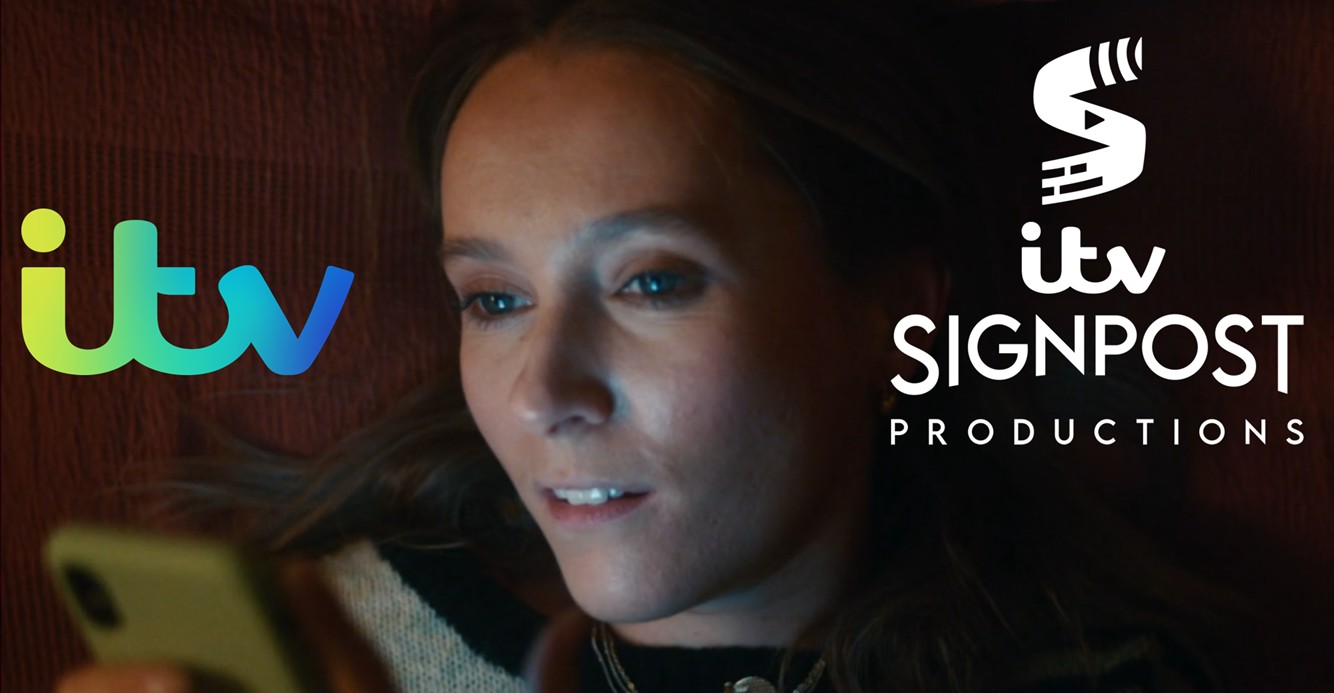
ITV’s in-house BSL and subtitle studio, Signpost Productions, worked with each brand on how to make their assets truly accessible. The studio collaborated with ITV Able, the broadcaster’s disability network, to ensure every decision prioritised authenticity over tokenism. The focus was always on normalising subtitled advertising for mainstream audiences rather than creating novelty content.
The strategic return to sound after 3 minutes and 20 seconds of silence created what ITV called an “audio revelation.” When normal programming resumed, viewers experienced sound with heightened awareness, proving that silence does not diminish audio impact but amplifies everything that follows.
Campaign video
Results
The Silent Ad Break created an immediate cultural moment. Beyond the 3.6 million who watched live on ITV1 and ITVX, it reached a further 1.1 million people organically on social media, with #codeofsilence becoming a top trending topic on X.
The public reaction was overwhelmingly positive, with viewers praising the authentic representation. Leading British daily newspapers described it as “genius” and “superb,” proving that accessibility-first creative was recognised as simply great creative.
The most significant systemic impact came from the measurement industry. Kantar and BARB, who had always measured advertising impact through sound analysis, had no means of measuring truly silent advertising. After collaborating with ITV on this groundbreaking format, they developed entirely new measurement capabilities that will benefit the entire industry going forward.
The campaign proved that the best use of audio sometimes means using none at all, and that inclusive advertising can be mainstream advertising.