
General information
- Country: United Kingdom
- Company: Sky Media
- Client: Attraction Tickets
- Sector: Travel and tourism
- Campaign focus: response-led TV campaign using addressable TV (AdSmart) to drive sales and show ROI
- Format: TV spots (multiple tailored versions); 30s plus 10s cut-downs
- Media & platforms: TV (linear and VOD), supported by PR and digital activity
- Budget: £350k
- Timing: three bursts from December 2025 to June 2026, with scaled activity continuing into 2026
- Targeting approach: families split into two life stages (children 5–12 vs teenagers), then refined by affluence and geography (airport-hub households)
Context
Attraction Tickets sells Florida attraction tickets and theme-park hotel packages to UK customers. It has served more than five million customers since 2002 and offers access to destinations including Walt Disney World Resort, Universal Orlando Resort, SeaWorld and Disneyland Paris. In a competitive travel market, people compare options quickly, and marketing is judged by its ability to turn interest into bookings.
Sky Media and Attraction Tickets chose addressable TV through AdSmart. In practice, that meant households could see different versions of the ad, instead of one single version for everyone. The plan started with two clear family groups: households with children aged 5–12 and households with teenagers. The team then sharpened the audience using affluence and geography, focusing on households around major UK airport hubs.
The campaign ran in three bursts from December 2025 to June 2026, then continued at a scaled level into 2026. Activity began on linear TV and later added Video on Demand as viewing habits shifted.

Campaign objectives
The main objective was performance: use TV to generate measurable sales and demonstrate return on investment. At the same time, the campaign aimed to make TV’s role in the wider media mix easier to see, instead of judging results through digital attribution alone.
Creative relevance was part of the brief from the start. Early learning suggested that families at different life stages respond to different holiday motivations. The campaign built around that idea: imagination and excitement for younger children, and independence, thrills and value for teenagers.
Measurement was planned as a working tool. The team used data sharing in line with GDPR rules and added website tagging, so it could link exposure to outcomes and adjust spend across bursts. This set-up also supported the decision to scale activity into 2026 and treat addressable TV as a core performance channel for the brand.
Creative minds
Sky Media and Attraction Tickets built and delivered the addressable activity through AdSmart, including the audience rules that decided which household saw which version. Attraction Tickets developed the creative in-house using partner-supplied content, which kept it practical to produce several tailored versions within the campaign budget.
The work changed by audience. Messaging, pacing and visual emphasis were adapted so each household received the version designed for its life stage. 30-second spots carried the main story, and 10-second formats reinforced key points and used budget efficiently.
Campaign video
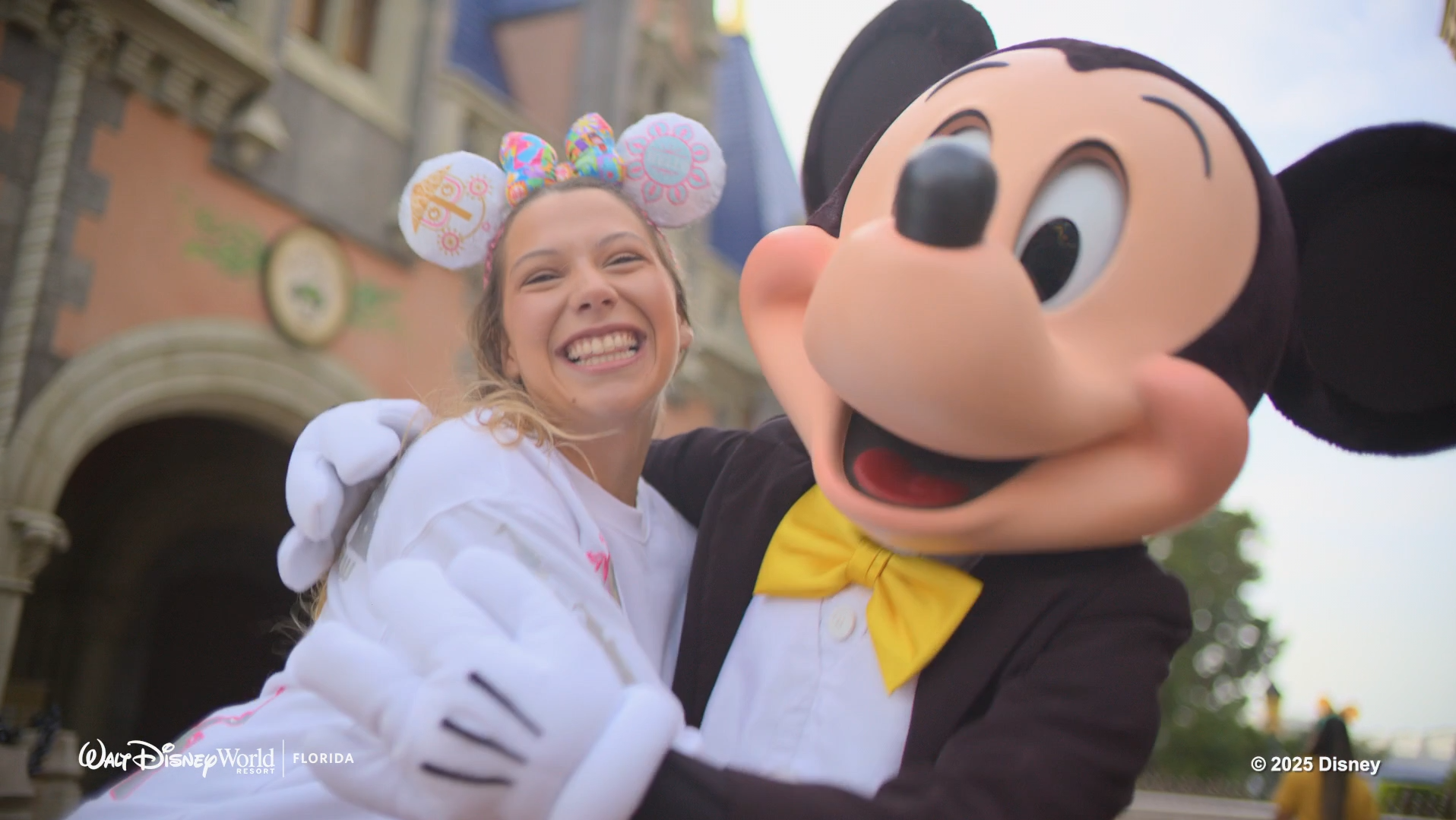
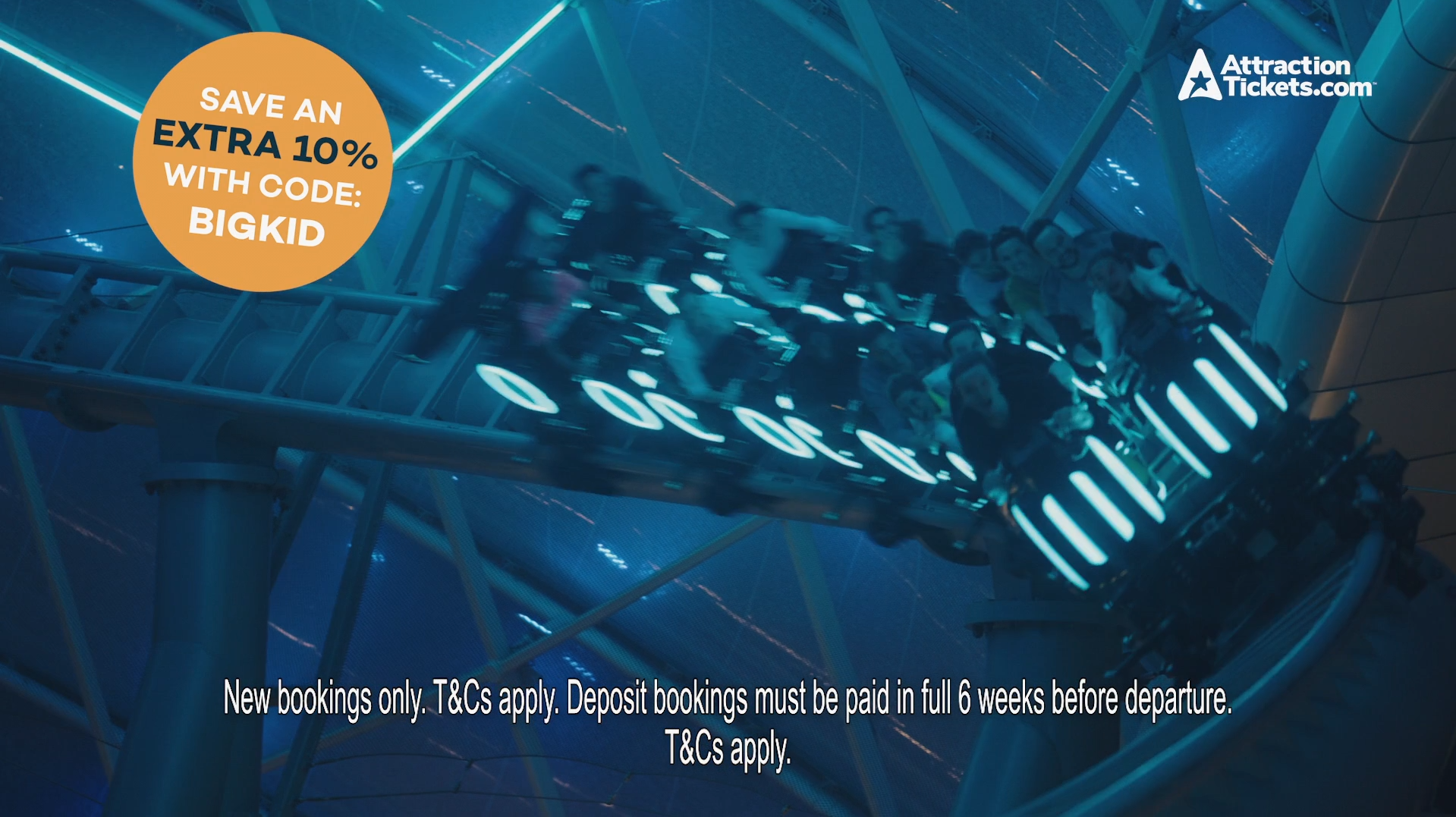
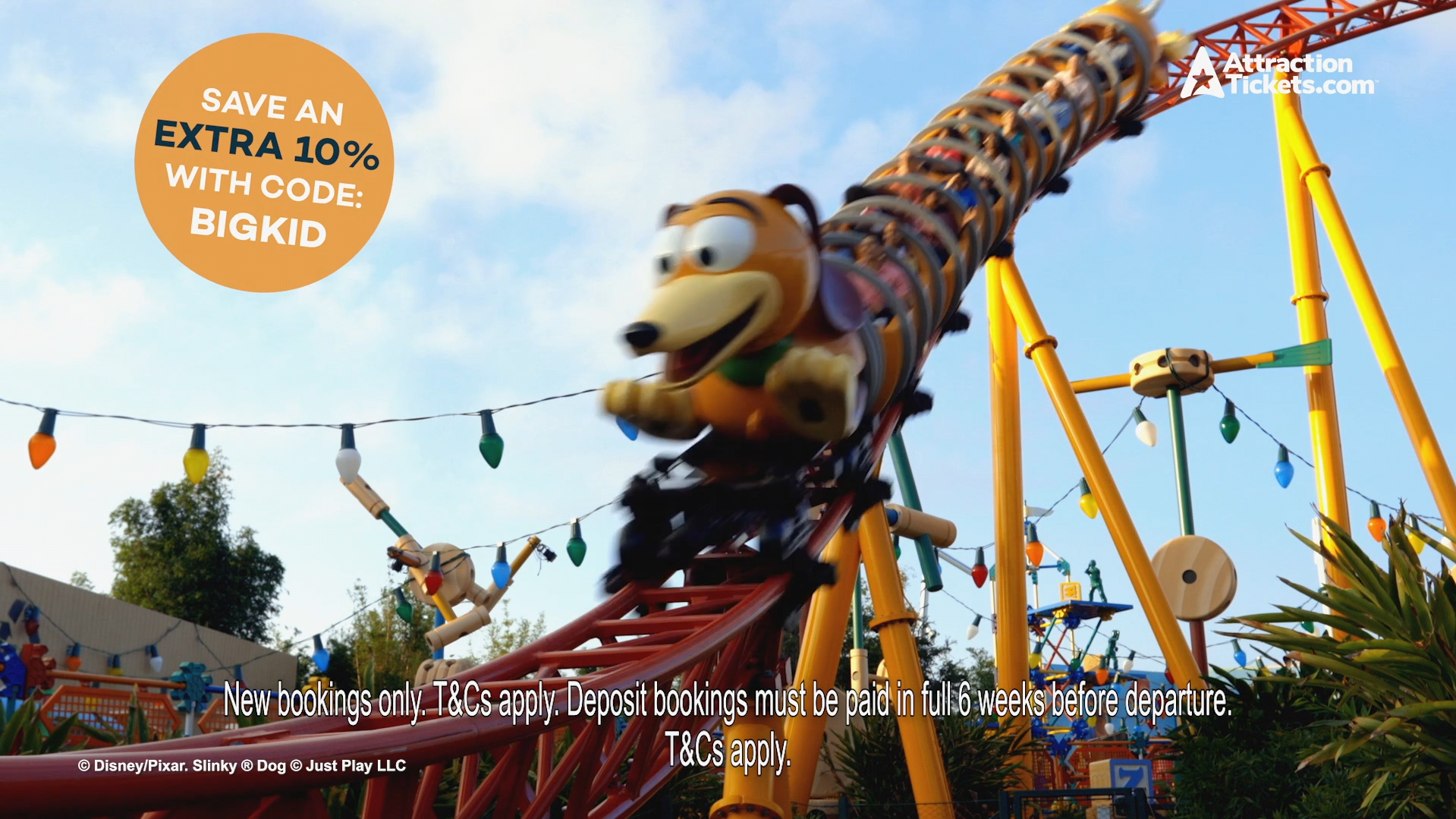
These two 30-second films show a Disney theme-park break through two family views. One version follows younger children and leans on character moments and “magic” scenes, while the other follows older kids and leans on faster cuts and bigger ride moments; both end with Attraction Tickets branding and a clear prompt to book.
Results
Impressions counted only when viewers watched at least 75% of the ad. With TV running alongside existing digital activity, the campaign recorded more site visits and a 20% uplift in digital performance over the same period.
In the first half of the year, addressable TV activity generated £2.3m in sales and an ROI of 6.6x. Average response rates reached 1.0%, and the campaign reported a 20% conversion rate among site visitors.
Across the three bursts, the campaign delivered uplifts of up to 28%, generating more than 12,000 responses and 260 incremental conversions (extra conversions credited to the campaign). Families with primary school-aged children were 35% more likely to convert, which matched the decision to tailor messaging by life stage.
Brand impact rose alongside response metrics. Prompted ad recall increased by 95% among exposed audiences and outperformed competitors, while attention and consideration exceeded category norms. More than half of exposed viewers agreed that the ads felt relevant to them.
Video on Demand carried around 30% of impressions. Reach increased by 12% among target audiences while frequency stayed effective.