
The Galaxy Z Fold7 is Samsung’s latest foldable smartphone, built around an Ultra Camera, AI features, and a screen large enough to make it feel closer to a tablet than a phone. It is a premium device with a price tag to match, aimed at Gen Z, an audience that takes technology seriously and expects brands to earn their attention rather than buy it. Samsung’s aim was to take a device full of technical features and make it feel like something a 19-year-old would actually want.
The publisher-as-influencer model
The partnership with Qmusic’s Top Tier List podcast ran across eight episodes over four months. In one dedicated episode, the Fold7 was at the centre of an app-ranking discussion. In the others, it appeared the way a phone naturally would, as something the hosts reached for when they needed to look something up, capture a moment, or settle an argument about fashion or travel. The product was present without being pushed.
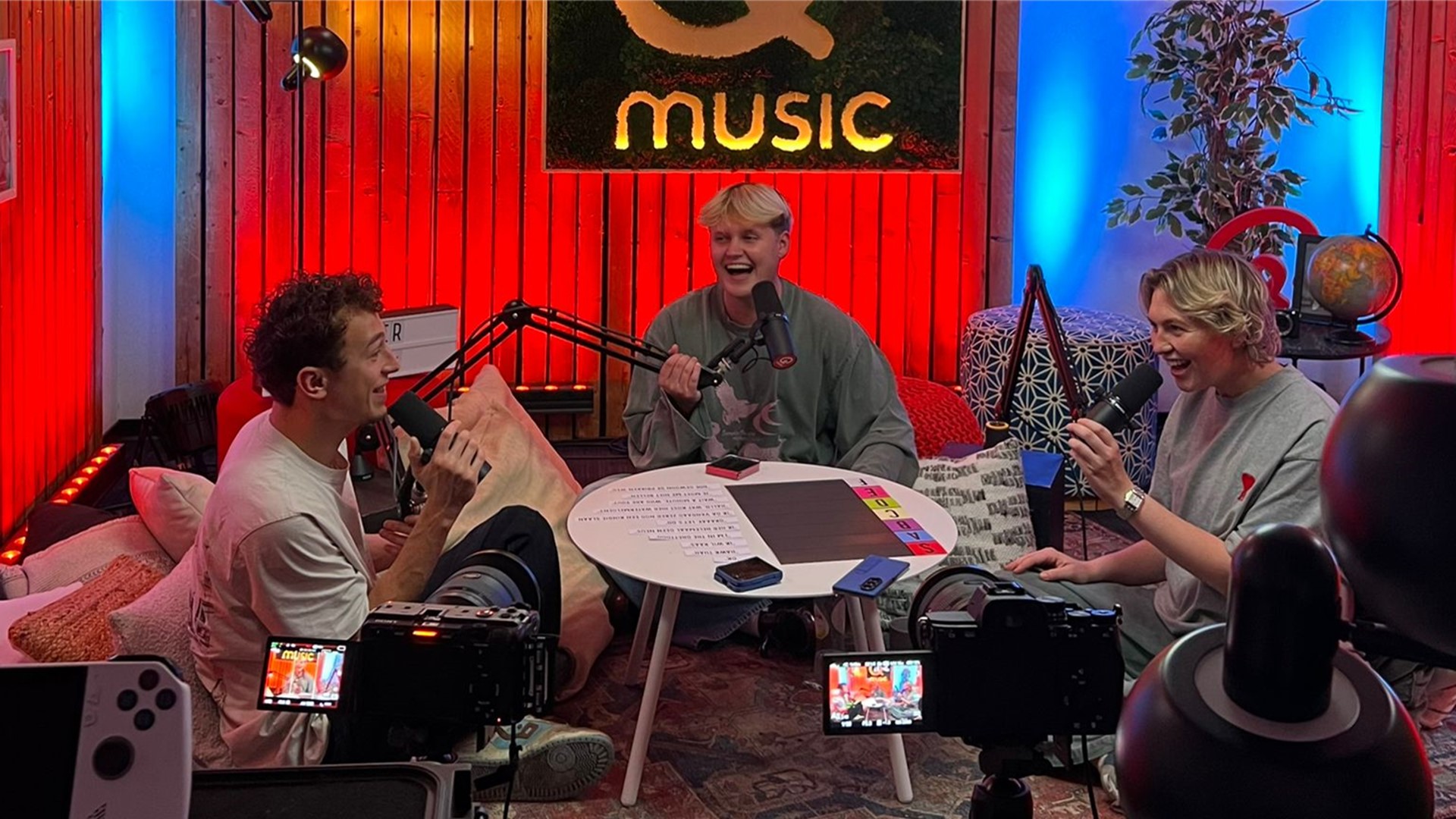
What made this work was a structural decision. Qmusic was not treated as an advertising channel but as a content partner with its own editorial credibility, audience relationship, and cultural currency. The hosts carried the product into conversations, referencing the Ultra Camera and AI features in context rather than as a checklist of specs.
This is the publisher-as-influencer model in practice. The reach and trust usually associated with individual creators was delivered at the scale and consistency of a media brand. For Samsung, that meant sustained presence over four months rather than a single spike, and credibility that a paid influencer post cannot replicate at volume.
A three-platform content system
Each platform was assigned a specific role:
- The podcast served as the primary storytelling environment, providing repeated contextual exposure and the depth needed to shift brand consideration over time.
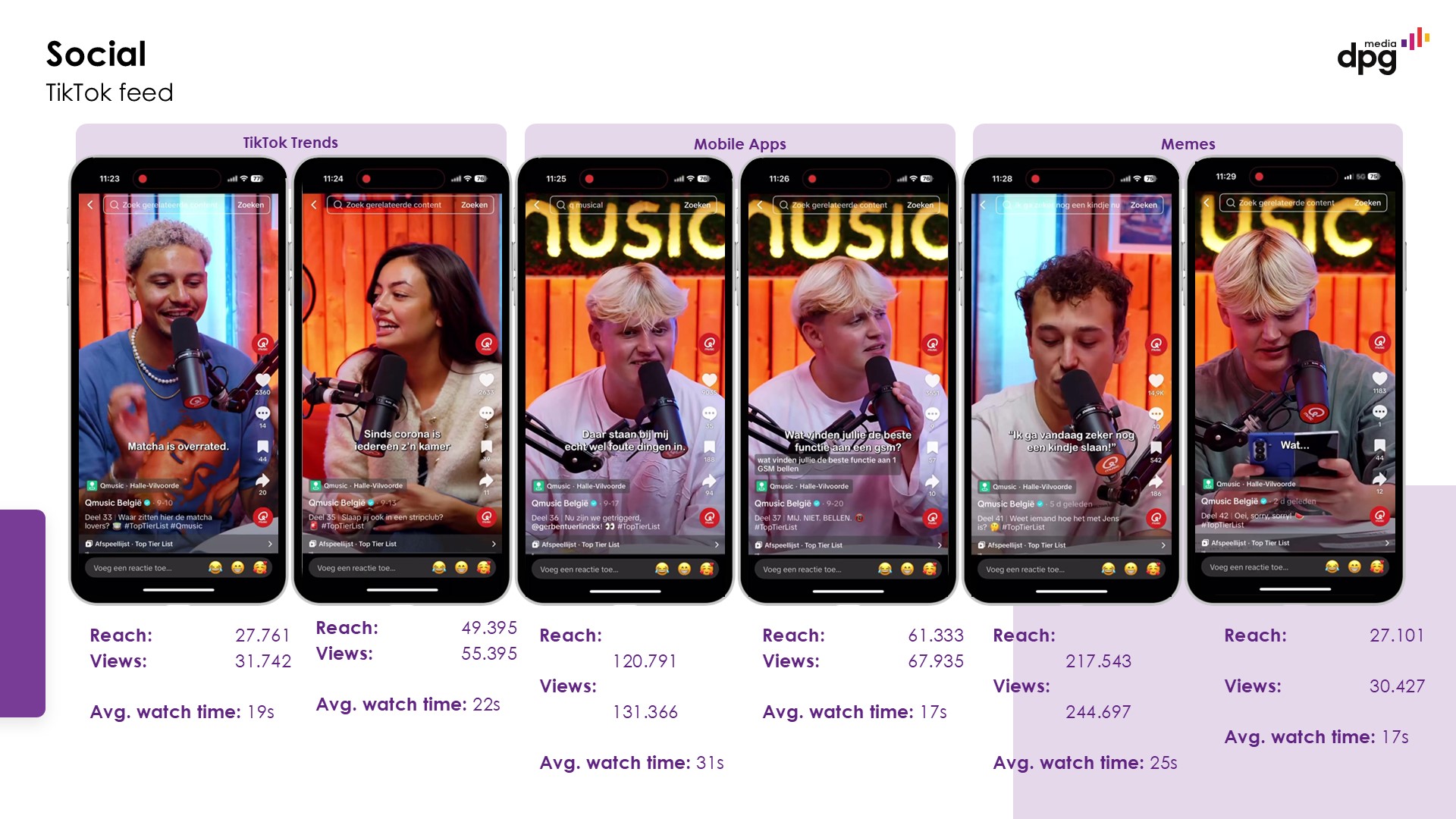
- TikTok added a discovery layer, while podcast moments were repurposed and translated into short-form native content that extended reach beyond the core audience.
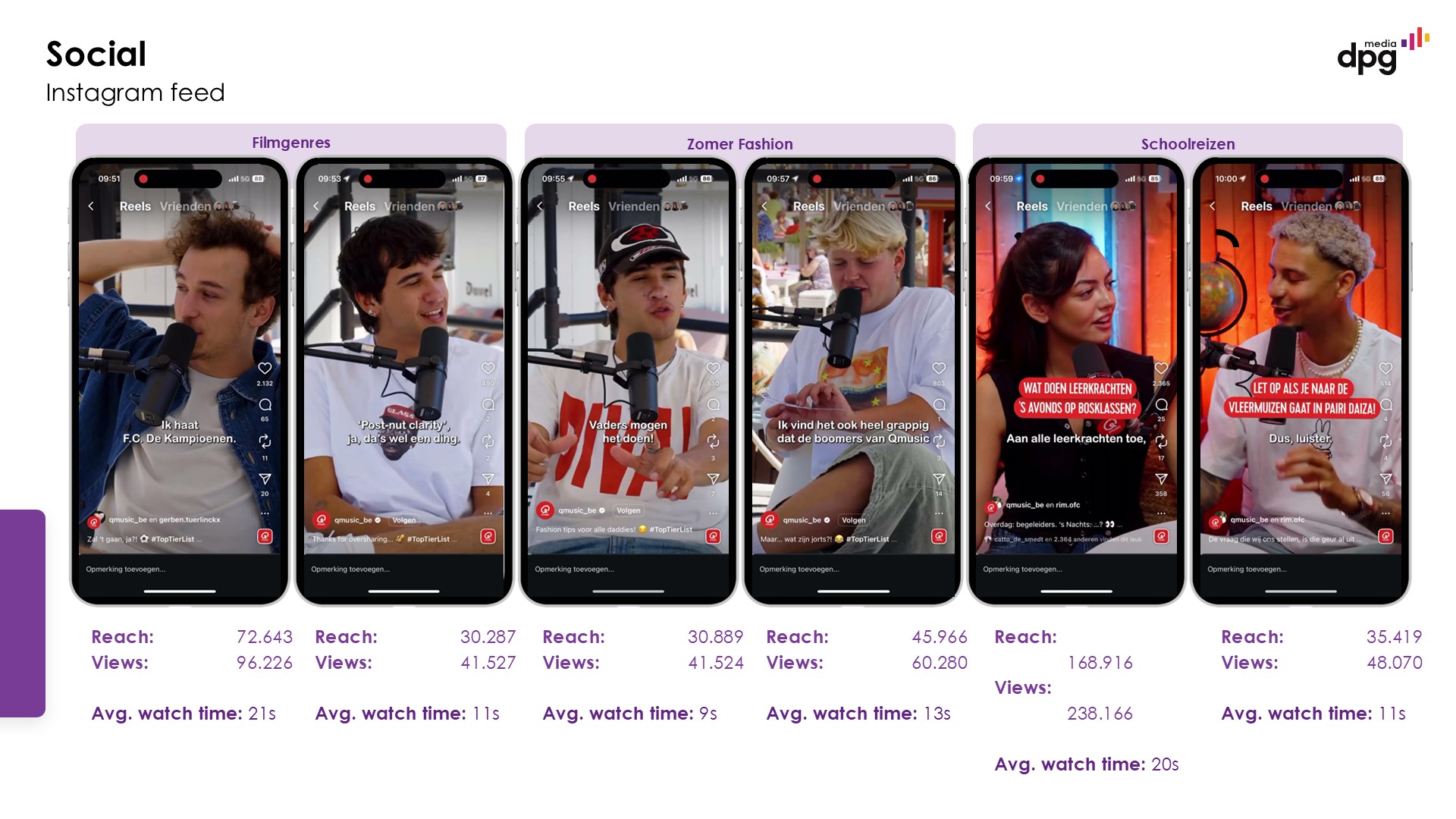
- Instagram provided visual credibility, placing the product within the hosts’ established social presence and reinforcing the lifestyle positioning.
Long-form content anchored the campaign, and short-form content scaled it.
Results in figures
- Total views across Instagram and TikTok: 1.9 million
- TikTok views from repurposed podcast content: 1.3 million
- Average viewing time on TikTok: 22 seconds
- Average viewing time on Instagram: 12 seconds
- Campaign duration: four months, eight episodes
Twenty-two seconds of average viewing time on TikTok, targeting a Gen Z audience on a platform built for rapid scrolling, reflects content that earned attention naturally.
Where the money is
A four-month integration across eight episodes delivered sustained brand presence, measurable engagement, and cultural relevance that a standard sponsorship package would have struggled to match. The format of this campaign respected how the audience consumes content, and the results reflected that. One-off placements generate awareness. Long-term creator-led integrations generate consideration.