

Thierry Mars – Director Radio, egta
How radio businesses can shape the future of in-car audio, and unlock new value for advertisers
For more than a century, the car has been one of radio’s most powerful environments. It is where millions of people start and end their day, where they discover music, catch up on the news, stay connected to their communities, and spend time with voices they trust. For advertisers, it offers something rare in today’s fragmented media landscape: a moment of real attention.
Despite growing competition from streamed music, podcasts and other on-demand services, live radio continues to be the key audio type for in-car listening across the world:
Radio still rules the road across markets, accounting for 69% of in-car listening in the UK, 71% in Belgium, 82% in Australia… and more than three-quarters of ad-supported in-car audio in both the US (83%) and Canada (79%)*
But the dashboard is changing. Cars are becoming software-defined environments, and drivers now have access to a growing universe of streaming services, navigation tools and AI assistants competing for their attention.
This evolution is often framed as a threat to radio. But there is another way to look at it: the connected car is not the end of radio; it is audio’s next chapter. The opportunity lies in the combination of what broadcast does best (reach, trust, live content, human connection) with what digital makes possible (personalisation, discoverability, data and new advertising formats).
Technology alone will not decide what comes next. It will depend on whether our medium and content remain visible, relevant and useful within a fast-changing ecosystem.
1. The car: audio’s most loyal companion
Few media environments combine scale, attention and frequency the way the car does. Radio has long been the natural and trusted companion of drivers, offering something digital platforms still struggle to replicate: a live human voice, familiar presenters, local relevance, and the sense of belonging to a community, sharing company on the road with millions of others tuning in at the same time.
Car listening is also unusually undivided. Drivers aren’t scrolling between tabs or switching between apps, audio simply becomes part of the journey. For advertisers, that makes the car one of the few remaining moments of genuine, undistracted attention.
2. From radio in the car to audio in the connected car
The question the industry should be asking has shifted. It is no longer only “how do we keep radio in the car?” but “how do we build the best possible audio experience inside the connected car?”
The dashboard used to mean a handful of buttons and a limited set of choices. That is no longer true. As demonstrated at CES 2026 in Las Vegas, the dashboard has become a hotbed of innovation, with automakers competing less on horsepower and more on the software and AI running the cockpit.
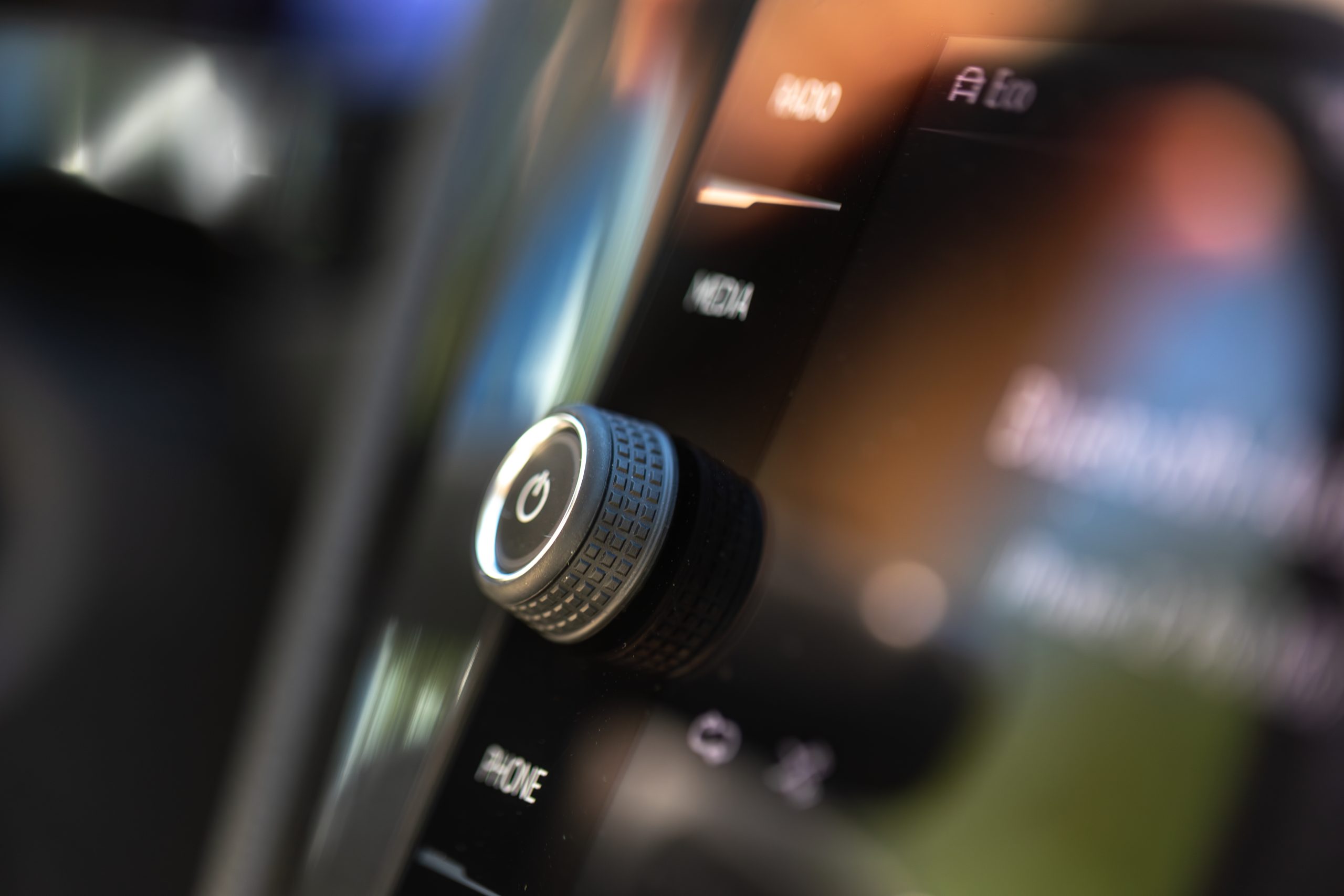
Drivers today navigate between broadcast radio, streaming, podcasts, audiobooks, voice assistants and personalised recommendations, often without thinking about which one they are using. This isn’t radio versus streaming. It is a battle for relevance, and the winners will be those who offer the most intuitive, trusted experience.
3. The new battle: discoverability
For decades, radio had something no other medium could match: the button. One press, instant access. Digital dashboards break that direct line. As screens replace switches, simply being visible becomes a strategic asset. A station that is hard-to-find risks losing listeners not because its content is weaker, but because reaching it takes one tap too many.
This matters just as much for voice. Increasingly, drivers won’t browse a menu, they will just say “play something for my drive” and an algorithm or a recommendation engine will decide what plays. Radio businesses must fight and prepare so that their content remains accessible and discoverable in a time of algorithmic recommendation.
What that takes in practice: investing in rich, structured metadata; making content easy to surface in aggregators and voice assistants; building real partnerships with automakers; and designing content with AI discovery in mind, not as an afterthought. In the connected car, discoverability is the new currency.
This is precisely why industry initiatives such as Radio Ready and Radioplayer have become so important.
At the forefront, Radio Ready for Connected Cars is an industry-wide initiative bringing together both public service and commercial broadcasters alongside industry bodies, platform providers and automotive stakeholders. Radio Ready for Connected Cars is the campaign to secure radio’s future in modern, connected vehicles. They are harnessing the energy and expertise of the radio industry to champion the interests of the listener. The three pillars underpinning Radio Ready campaigning efforts are: in-car radio must retain its prominence and accessibility, it must be easily discoverable on screens and dashboards, and voice assistants must be reliable.
For broadcasters, being available in connected cars is only the first step. The next challenge is ensuring that radio services are easy to discover and use. Radio Ready advocates to car manufacturers and policymakers that radio must remain both available and discoverable in the car. Broadcasters must support this effort by improving the accuracy and consistency of their metadata, which directly affects how easily users can find and access content. This responsibility is one of the principles set out in the new metadata manifesto for broadcasters, available at radioready.info
Alongside Radio Ready, Radioplayer, a technology company owned by the radio industry and working with more than 800 broadcasters and 10,000 stations worldwide, is also helping shape the future of radio in the connected car. It delivers technology and partnerships that help radio businesses improve discoverability through shared metadata, connected-car integrations and voice-enabled experiences. Working with major car manufacturers and key platforms such as Google, Apple and Sonos, Radioplayer helps ensure that radio stays front and centre across platforms and environments — keeping radio right where it belongs: everywhere.
Discoverability is the new currency in the connected car, but its value depends on what happens next: a great radio experience. When you improve the experience, the radio habit becomes an evidence. The value is great for listeners, broadcasters and advertisers – and radio becomes more discoverable and listened. Building the technology and delivering this experience to carmakers is what we do at Radioplayer; using the collective strength of broadcasters to achieve what none could do alone, with radio at the core.
Together, these initiatives illustrate a fundamental shift: success in the connected car is no longer just about being available, but about being effortlessly discoverable wherever and however drivers choose to listen. Collaboration is key to making this happen, and egta is a strong supporter of initiatives that bring the industry together. We strongly believe that the connected car should open up new opportunities for radio, not make it harder for listeners to find and access it.
AI models are trained on the open web, so they know surprisingly little about any specific industry or organisation, and almost nothing that changes by the hour. In the car, that gap is exactly where radio lives: what is on air now, who is listening and what it delivers for advertisers. Knowledge architecture closes the gap, structuring what broadcasters already know so the assistant can read it, because what an AI can read, it can recommend.
One concrete step radio businesses could take together is the creation of a shared knowledge layer built on the Model Context Protocol (MCP), the open standard that lets AI systems query external data sources in a structured way. It could let any AI assistant pull a station’s live schedule, metadata and availability directly, rather than guessing from scraped web pages.
It’s the kind of shared infrastructure the industry is well placed to build collectively. On the monetisation and planning side of audio advertising, egta has recently taken a similar step by initiating the development of a data and knowledge architecture designed to make trusted evidence on audio directly accessible and usable by AI systems as they plan and buy audio.
4. AI: the next gatekeeper of audio
Voice assistants and AI are changing how people find content. The shift is from “I choose a station” to “give me the best thing for this moment”, and it reframes the whole relationship between listener and broadcaster. This trend was visible on the CES 2026 show floor, where car manufacturers and tech partners were rolling out AI-driven, agentic voice platforms designed to handle navigation, temperature control and media through a single natural conversation, unifying the in-car experience into one seamless interface.
The opportunity of this shift is real: effective metadata is crucial to keeping radio at the heart of the automotive experience as AI-based assistants mature. Radio has exactly what AI-driven environments need: trusted, structured, contextual content (news, traffic, weather, local information, human voices). But being available is no longer enough. Content needs to be understood, indexed and recommended by systems that don’t know it exists unless it is built to be found.
5. Turning technology into commercial opportunity
For advertisers, the connected car opens up real possibilities, not to replace the power of broadcast, but to sharpen it. The future is about combining broadcast’s strengths (mass reach, trusted environments, live moments, emotional pull) with what digital adds (context, data, dynamic creative and real attribution).
That’s a different pitch to brands than simply buying airtime. Advertisers can build audio experiences tied to time of day, location, journey context and the listener’s actual needs in that moment, making the ad more relevant without losing the simplicity that made radio advertising work in the first place.
6. From channels to total audio
Listeners don’t think in terms of distribution technology. Nobody wonders whether they are on FM, DAB+, IP or a podcast app; they just want the best experience available. The industry needs to keep moving from a channel to a total audio mindset: live radio, podcasts, streaming, catch-up, video extensions and social content, all treated as one connected offer.
For advertisers, that is a stronger proposition than any single channel alone: one audience, one relationship, multiple touchpoints.
7. What broadcasters and sales houses should do now
The future doesn’t simply unfold, it is shaped by decisions made today, among which:
- Making audio impossible to ignore: visibility comes first. Content needs to be easy to find and effortless to access across connected dashboards, voice assistants and infotainment systems.
- Thinking beyond the broadcast receiver: The car is no longer just a radio receiver; it is a connected digital environment. Broadcasters should deliver seamless experiences that combine live radio, on-demand content, podcasts, visual metadata and personalised services.
- Getting ready for AI discovery: Ensure content is enriched with high-quality metadata and structured for AI assistants and recommendation engines that will increasingly influence what drivers listen to.
- Working together to protect discoverability: the connected-car ecosystem is too complex for broadcasters to tackle alone. Collaboration through initiatives such as Radioplayer and Radio Ready, together with automakers, technology companies and regulators, will be essential to ensure that radio remains prominently available in future dashboards.
- Demonstrating radio’s value: Radio continues to offer unmatched strengths in reach, trust, companionship, local relevance and advertising effectiveness. The industry must continue to communicate these advantages to automakers, technology partners, policymakers and advertisers alike. Supporting members in making that case, through advocacy, collaboration and the sharing of best practices, is one of egta’s core missions.
- Turning listeners into loyal communities: The connected car should be seen as the start of a broader relationship. Encourage listeners to continue the experience through mobile apps, podcasts, social media, events, newsletters and other touchpoints that build loyalty beyond the drive.
Beyond commerce: a public service role
The stakes here go beyond advertising revenue. Radio remains one of society’s most resilient communication channels, able to reach people instantly and at scale, even when other networks fail.
That resilience matters most in a crisis. When digital networks are overloaded, power is down, or people simply need verified information fast, radio works! The floods that devastated parts of Spain in 2024, and the wildfires and extreme climate-related events across the world, repeatedly demonstrate radio’s role and value in providing emergency updates, safety instructions and guidance from local authorities when they matter most.

Radio is much more than another audio service in the dashboard. It is a universal, free-to-access public service that people rely on every day—and especially when it matters most. As cars become software-defined, we must ensure that radio remains easy to find and easy to use. This is not just about preserving choice for listeners or supporting the radio sector; it is about resilience, trusted information, and public safety. That is why the EBU is proud to be a founding partner of the Radio Ready initiative.
That’s exactly why keeping radio easily accessible in the car is worth defending, not just as a commercial consideration but as a public-safety one. Belgium, Spain and France are among the countries that have taken firm positions on this, pushing for mandatory radio reception, and a dedicated radio button, to be written into the EU’s Digital Networks Act discussions. As dashboards go digital, keeping free-to-air radio one tap away matters for listeners, for public safety, and for media pluralism. This is a clear priority for egta’s legal team.
Radio’s importance is unmatched. It informs, entertains and connects people every single day, staying on when other channels go silent. But none of that counts unless radio stays accessible. That is why egta is advocating for mandatory radio reception to be written into the Digital Networks Act. Radio’s place in the connected car should be guaranteed by regulation, as reaching quality content and essential information shouldn’t depend on manufacturers’ choices.
Conclusion: the future is ours to shape
Every major shift in audio’s history has brought uncertainty, and each one has also opened new ground. The connected car is the next chapter. It gives broadcasters a real chance to make audio more accessible, more intelligent, more measurable and more valuable to advertisers. The question isn’t whether audio has a place in tomorrow’s car, it will. The question is which role we choose to play in getting there?
*Source: Rajar/Ofcom ‘Media Nations 2026’ (UK), CIM ‘Audio Time 2026 (BE), Edison ‘Infinite Dial 2026’ (AU), Edison Research ‘Share of Ear 2025’ (US), Angus Reid ‘Audio Study Spring 2026’ (CA)